
Ayodhya Ram Temple
తెలుగు వెర్షన్
అయోధ్య రామాలయం: వివరణ: 1528 నుండి 2024 వరకు, 500 సంవత్సరాల చరిత్ర
అయోధ్య రాముడి ఆలయం మరియు రాముడి విగ్రహాన్ని నిర్మించడానికి జరిగిన పోరాటంలో బాబ్రీ మసీదు స్థలంపై 500 సంవత్సరాల వివాదం జరిగింది, దీనిని రాముడి జన్మస్థలంలో నిర్మించారని హిందూ సంస్థలు చెబుతున్నాయి. ఈ పోరాటంలో దశాబ్దాల న్యాయ పోరాటాలు, రాజకీయ ఉద్యమాలు, మత హింస మరియు 1992లో మసీదు కూల్చివేత ఉన్నాయి, ఇది 2019లో సుప్రీంకోర్టు ఆలయ నిర్మాణానికి అనుకూలంగా తీర్పు ఇవ్వడం మరియు 2024లో రామ్ లల్లా విగ్రహాన్ని ప్రతిష్టించడంతో ముగిసింది.
చారిత్రక సంఘర్షణలు మరియు మైలురాళ్ళు
1528: రాముడి జన్మస్థలంగా చెప్పుకునే స్థలంలో మొఘల్ పాలకుడు బాబర్ సైన్యాధిపతి మీర్ బాకిబాబ్రీ మసీదును నిర్మించాడు .
1528-1949: ఈ స్థలం కొనసాగుతున్న వివాదాలకు కేంద్రంగా ఉంది, మరాఠాలు మరియు నిహాంగ్ సిక్కులు మొదట తమపై హక్కులు కోరడంతో పాటు 1885లో మొదటి చట్టపరమైన కేసు దాఖలు చేశారు.
1949: బాబ్రీ మసీదు లోపల రామ్ లల్లా విగ్రహం కనుగొనబడింది, వివాదం మరింత తీవ్రమైంది.
1986: మసీదు తాళాలు తెరవబడ్డాయి, దీనివల్ల ప్రజలకు ప్రవేశం లభించింది, ఇది హిందూ గ్రూపులకు ధైర్యం ఇస్తుంది.
1992: హిందూ కార్యకర్తల (కరసేవకులు) పెద్ద సమూహం బాబ్రీ మసీదును కూల్చివేసింది, దీని ఫలితంగా భారతదేశం అంతటా విస్తృతమైన మత అల్లర్లు చెలరేగాయి.
2019: వివాదాస్పద భూమిని హిందూ దేవాలయ నిర్మాణం కోసం ఒక ట్రస్ట్కు అప్పగించాలని భారత సుప్రీంకోర్టు తీర్పు ఇచ్చింది. మసీదు నిర్మాణం కోసం ప్రత్యేక స్థలం కేటాయించబడింది.
2020: ఆలయ నిర్మాణాన్ని నిర్వహించడానికి శ్రీ రామ జన్మభూమి తీర్థ క్షేత్ర ట్రస్ట్ స్థాపించబడింది.
2024: రామాలయం ప్రతిష్టించబడింది, ప్రధాన గర్భగుడిలో రామ్ లల్లా విగ్రహాన్ని ప్రతిష్టించారు, ఇది సుదీర్ఘ పోరాటానికి పరాకాష్టను సూచిస్తుంది.
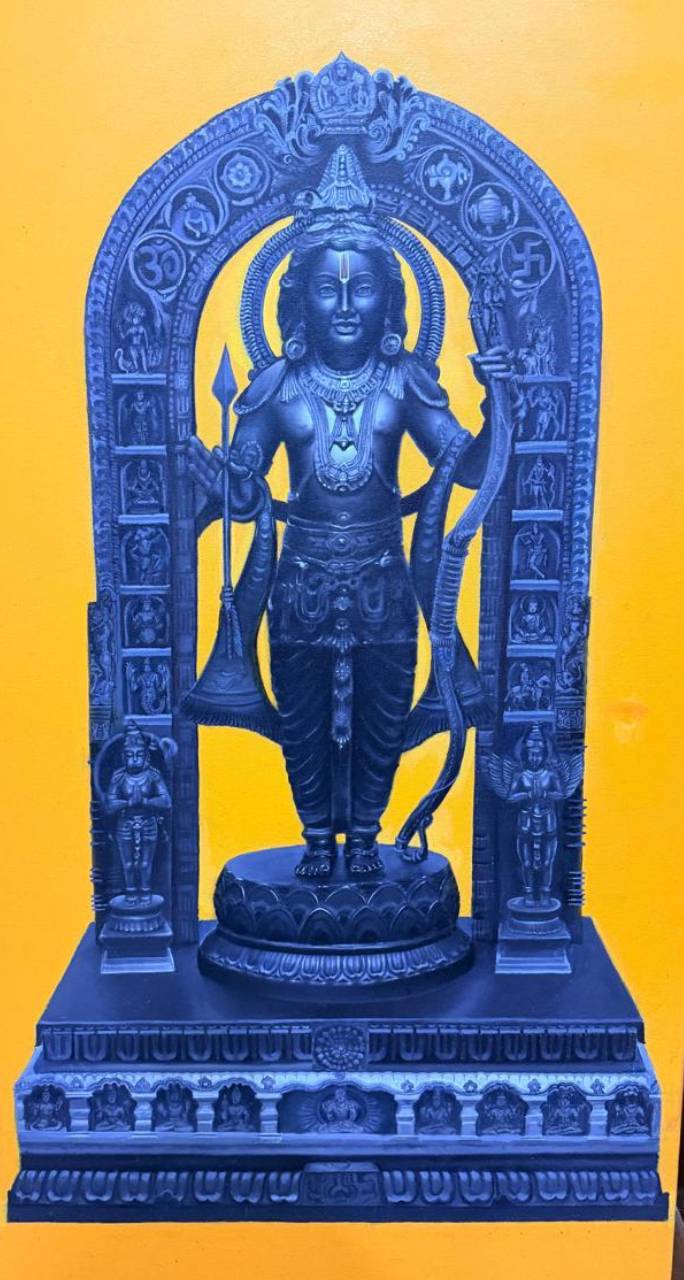
రాముడి విగ్రహం.
ఈ ఆలయంలో ప్రధాన గర్భగుడిలో శ్రీరాముని బాల్య రూపమైన రామ్ లల్లా విగ్రహం ఉంటుంది.
మొదటి అంతస్తులో అదనపు శ్రీరామ్ దర్బార్ (రామ్ మరియు అతని కుటుంబం సమావేశం) ఉంటుంది.
ఈ ఆలయ రూపకల్పనలో ఐదు మండపాలు (మందిరాలు) ఉన్నాయి మరియు స్తంభాలు మరియు గోడలపై దేవతలు, దేవతలు మరియు దేవతల విగ్రహాలతో అలంకరించబడి ఉన్నాయి.
ఆలయ నిర్మాణం
ఈ ఆలయం సాంప్రదాయ నాగర్ శైలిలోనిర్మించబడింది .
ఇది మూడు అంతస్తులు, ప్రతి అంతస్తు 20 అడుగుల పొడవు ఉంటుంది.
ఈ ఆలయం చుట్టూ పార్కోటా (దీర్ఘచతురస్రాకార సమ్మేళనం గోడ) ఉంది

English Version
Ayodhya Ram Temple: Explained: From 1528 To 2024, A 500-Year …
he struggle to build the Ayodhya Ram temple and Rama statue involved a 500-year conflict over the site of the Babri Masjid, which Hindu groups claim was built on the birthplace of Lord Ram. The struggle included decades of legal battles, political movements, communal violence, and the demolition of the mosque in 1992, culminating in the Supreme Court’s 2019 verdict in favor of constructing the temple and the 2024 consecration of the Ram Lalla idol.
Historical conflicts and milestones
1528: The Babri Masjid is built by Mughal ruler Babur’s general, Mir Baqi, at the site claimed to be Lord Ram’s birthplace.
1528-1949: The site is the center of ongoing disputes, with early claims by Marathas and Nihang Sikhs and the filing of the first legal case in 1885.
1949: An idol of Ram Lalla is discovered inside the Babri Masjid, intensifying the dispute.
1986: The locks of the mosque are opened, allowing for public access, which emboldens Hindu groups.
1992: A large group of Hindu activists (kar sevaks) demolishes the Babri Masjid, leading to widespread communal riots across India.
2019: The Indian Supreme Court rules that the disputed land is to be handed over to a trust for the construction of a Hindu temple. A separate plot of land is allotted for the construction of a mosque.
2020: The Shree Ram Janmabhoomi Teerth Kshetra Trust is established to manage the construction of the temple.
2024: The Ram temple is consecrated, with the idol of Ram Lalla installed in the main sanctum sanctorum, marking the culmination of the long struggle.
The statue of Rama
The temple will house the statue of Ram Lalla, the childhood form of Lord Ram, in the main sanctum sanctorum.
An additional Shri Ram Darbar (a gathering of Ram and his family) will be on the first floor.
The temple’s design features five Mandaps (halls) and is adorned with statues of deities, gods, and goddesses on the pillars and walls.
The temple structure
The temple is built in the traditional Nagar style. It is three-storied, with each floor being 20 feet tall. The temple is surrounded by a parkota (rectangular compound wall.